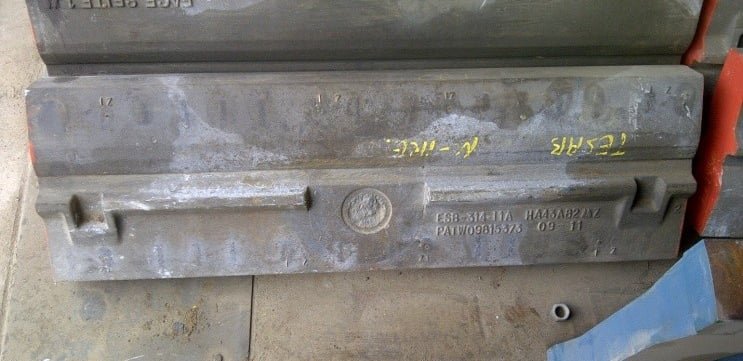
High quality blow bar designed for Stedman, Eagle, Metso, and Astec impact crushers. Manufactured for high wear resistance, precise fitment, and reliable performance in demanding crushing applications.
Visit Our Main Company Website: www.melcocastings.com
Blow bar play a critical role in the performance of horizontal shaft impact crushers. At Melco Precisions Pvt Ltd, we manufacture blow bars compatible with leading brands such as Stedman, Eagle, Metso, and Astec.
These machines are widely used across North American aggregate production, recycled concrete and asphalt reclamation, and industrial minerals processing. Each of those duties wears a bar differently, so the sections below set out what the machine is typically doing and which grade direction usually suits it.
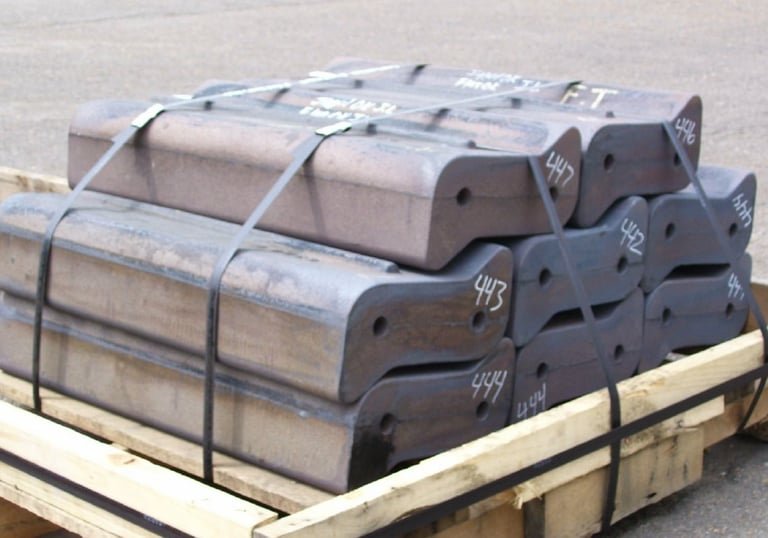
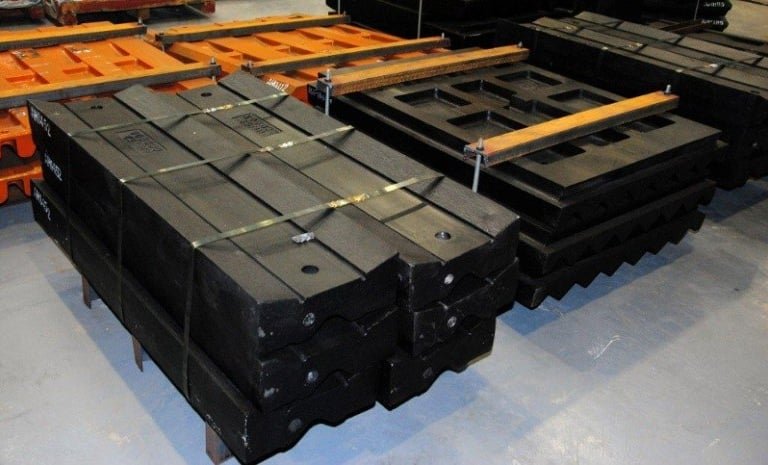
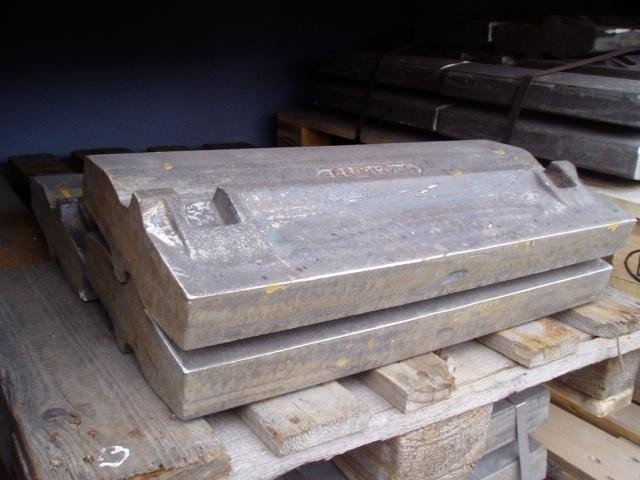
Our blow bars are manufactured to handle high-impact and abrasive conditions. Using advanced metallurgy and strict quality control, we ensure consistent product performance and reduced maintenance requirements.
We offer multiple material options based on application needs, helping customers achieve better efficiency and longer wear life.
Stedman Machine Company builds impactors, cage mills and hammer mills used well beyond conventional aggregate work, including industrial minerals, limestone, glass, salt and fertiliser processing. That range matters when choosing a grade, because the abrasiveness of these materials varies enormously.
Clean, highly abrasive mineral feed generally points to high chrome white iron, where holding the striking edge profile is what determines service life. Softer or more friable material may not justify the same grade, and a martensitic bar can give better value where the limiting factor is throughput rather than abrasion.
If your Stedman machine is running a material outside conventional stone, describe the feed with your enquiry — grade selection for industrial minerals is not always the same answer as for quarry rock.
Eagle Crusher machines are used heavily in recycled concrete and reclaimed asphalt work across the United States, often on portable plants moving between jobs. Recycled feed brings rebar, wire and embedded fixings into the chamber as a matter of routine.
Where tramp metal is normal rather than exceptional, toughness has to come before peak hardness. Manganese steel work hardens at the struck surface under repeated impact while the core remains ductile, which is why it holds up on rebar-laden concrete where a harder grade would crack.
For plants alternating between recycled concrete and virgin stone, a martensitic grade is often specified deliberately as the middle position rather than switching bars with the job.
Metso horizontal shaft impactors have one of the largest installed bases worldwide, in both stationary aggregate plants and recycling operations. Because the same machine family appears in very different duties, wear life reported by two Metso operators can differ widely without either machine being at fault.
The useful comparison is therefore not against another site but against your own history. Where a Metso unit runs consistent quarried stone, high chrome usually delivers the best cost per tonne; where the same machine takes demolition arisings, manganese or martensitic is the safer specification.
Astec supplies impactors and complete recycle plants, with a long association with the asphalt industry. Reclaimed asphalt pavement behaves differently from stone in a crusher: it is less abrasive than quarried rock but can be inconsistent, and feed contamination varies with the source of the millings.
Grade choice for asphalt and mixed reclamation duty usually lands on martensitic or manganese rather than high chrome, because the limiting factor tends to be occasional shock loading and feed variation rather than steady abrasion.
Blow bars are manufactured as compatible replacements for the machines listed below. Where a model is not shown, it can usually still be produced from a drawing or a worn sample.
| Crusher | Coverage | Usual Grade |
|---|---|---|
| Eagle | UM15, UM25 / 1200 and UM45 / 1400 | Mn13Cr2 / Mn18Cr2 on recycled concrete |
| Metso / Nordberg | NP stationary and LT mobile impactors | Cr20 / Cr26 on stone, Mn13Cr2 on recycled feed |
| Stedman | Impactor range, industrial minerals | Cr18 / Cr20, or CrNiMo on variable feed |
Where a coverage cell names a range rather than individual models, fitment is confirmed per machine from your model designation, a drawing or a worn bar – not taken from a stock list.
Send the model designation from your machine plate, and a drawing or worn bar where you have one, and fitment is confirmed before quoting.
We manufacture blow bars in multiple material grades to suit different crushing requirements:
Exact chemistry and hardness are confirmed against your application with the quotation, and can be certified per batch on request.
A large share of the work these machines do is reclamation rather than virgin stone, and recycled feed changes the calculation in three ways worth planning for.
First, contamination is unpredictable. Rebar, wire mesh, fixings and the occasional genuinely uncrushable object arrive without warning, which makes a tough grade more valuable than a hard one. Second, the abrasive load is often lower than quarried rock, so the extreme abrasion resistance of high chrome buys less than expected. Third, product specification still has to be met, and gradation drifts as the striking edge wears back, sometimes before anyone would call the bars worn out.
For plants running mixed reclamation work, the most useful change is usually not a harder bar but better feed control upstream and a grade chosen for the worst case rather than the average.
Grade selection becomes straightforward once there is a record to work from. Four things noted at every change-out are enough:
After two or three cycles this record will say more about your crusher than any supplier can, and it turns every future quotation into a technical discussion rather than a price negotiation.
Our blow bars are used in a wide range of crushing applications, including:
These applications require wear parts that can deliver consistent performance under demanding conditions.
We also supply blow bars for Hazemag, SBM, Rubble Master, and McCloskey crushers, along with a complete range of HSI impactor blow bars for different crushing applications.
Related reading: how to read blow bar wear patterns before deciding on a different grade.
Distributors and importers reselling into their own markets can find supply information on our distributors page.
No. These are OEM-compatible replacement blow bars manufactured by Melco Precisions Pvt Ltd. Brand names identify the machines the parts are made to fit and do not imply any affiliation with those manufacturers.
Wear life depends on the material being crushed, feed size, rotor speed and the grade selected, so no single figure applies across sites. Tell us your current wear life and what you are crushing and we can advise whether a different grade would extend it.
Yes. Send a drawing, a sample or photographs with key dimensions and we will match dimensions and recommend a grade. Where no OEM support remains for an older machine, this is usually how the part gets made.
Manganese steel is normally the right starting point. It absorbs shock by work hardening at the struck surface rather than cracking, which matters when rebar and fixings are a routine part of the feed rather than an exception.
Most plants in that position specify a single martensitic grade rather than swapping bars with the job. It is a deliberate compromise, but it avoids both the breakage risk of a hard grade on rubble and the fast wear of a tough grade on stone.
Hardness test reports and material certificates are supplied per production batch, so results can be verified and repeated on future orders.
Both are possible depending on destination. Send your port and quantity with the enquiry and the quotation will be issued on the basis you prefer.
Compare cost per tonne crushed rather than price per bar. Unit price leaves out wear life, the production hours lost to each change-out, and the gradation drift that happens as the striking edge wears back.
Send your machine model, a drawing or photographs of a worn part. Our team confirms fitment and recommends the grade before quoting – usually within one working day.