
High-performance HSI impactor blow bars engineered for superior wear resistance and consistent crushing performance in mining, cement, aggregate, and recycling applications.
Visit Our Main Company Website: www.melcocastings.com
HSI impactor blow bars are critical wear parts used in horizontal shaft impact crushers for material size reduction. At Melco Precisions Pvt Ltd, we manufacture blow bars using advanced metallurgy to ensure durability, consistent performance, and reduced downtime.
Our blow bars are available in high chrome, manganese steel, and martensitic alloys, making them suitable for a wide range of crushing applications including aggregates, mining, and recycling.
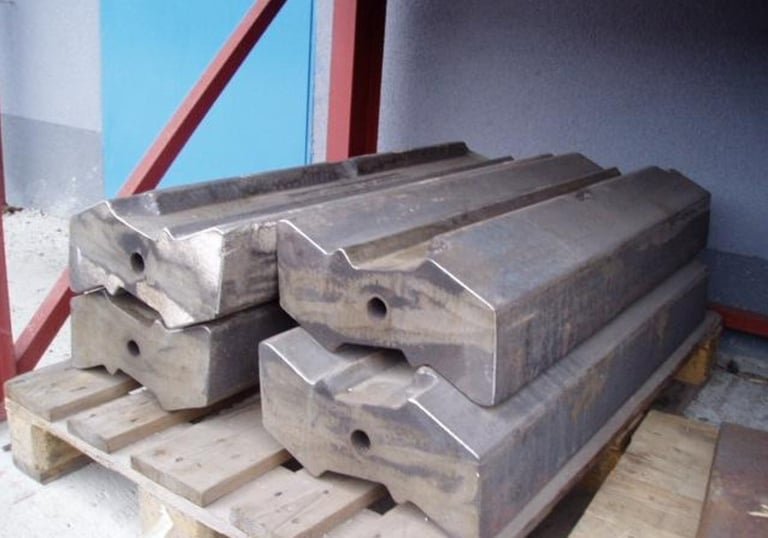
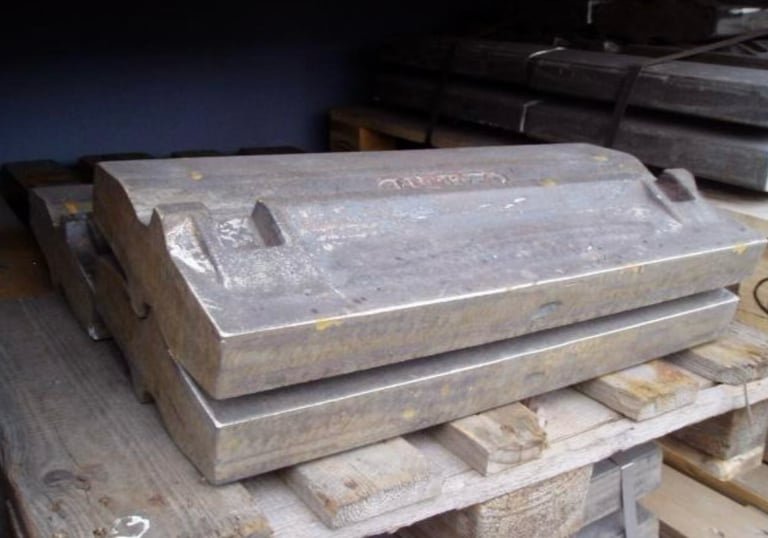
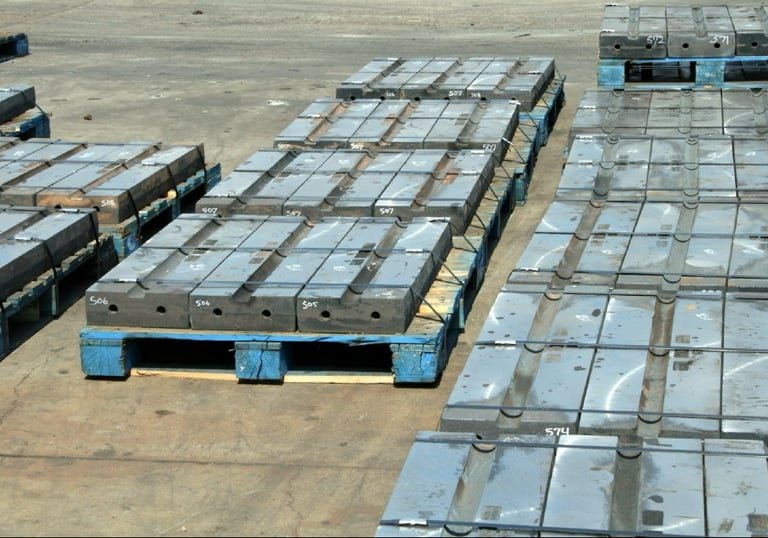
HSI impactor blow bars are one of the most critical wear parts used in horizontal shaft impact crushers. These components directly strike the material, making their quality and durability essential for efficient crushing operations.
At Melco Precisions Pvt Ltd, we manufacture HSI blow bars using advanced metallurgy to ensure high wear resistance, proper fitment, and long service life. Our products are designed to perform under demanding conditions across various industries including mining, cement, and recycling.
Our HSI blow bars are designed to handle both high impact and abrasive conditions. With a focus on durability and consistent quality, we ensure reliable performance in continuous crushing operations.
We manufacture blow bars with precise dimensions and controlled metallurgy, helping reduce downtime and improve overall crusher efficiency.
We offer HSI blow bars in multiple material grades to suit different applications. There is no single best grade – each one accepts a weakness in order to push back another, and the correct choice depends on whether abrasion or impact is ending your bars.
High chrome is the abrasion-resistant option. Its hard carbide structure holds the striking edge profile in hard, siliceous and dirty feeds, which is why it is the common choice in limestone, granite and river gravel operations where wear rather than shock is the limiting factor.
The trade-off is toughness. High chrome is less forgiving of heavy shock loading and oversize tramp material, so it is a poor match for demolition and recycling lines where unshreddables regularly enter the chamber.
Manganese steel is the impact-resistant option. Its austenitic structure work hardens at the struck surface while the core stays tough and ductile, so it absorbs shock instead of cracking. This makes it well suited to recycling, demolition feed, larger feed sizes and any operation where tramp metal is a fact of life.
In genuinely abrasive rock, manganese will wear back faster than high chrome. Where a plant has switched to manganese purely to stop breakages and then reports shorter life, that is the trade being made, not a fault in the casting.
Martensitic grades sit between the two. They are useful where feed swings between abrasive and shock-loaded through the month and neither extreme grade performs consistently, and where a plant wants one grade in stock rather than two.
Supplied in martensitic condition, these grades cover duty that sits between the two extremes and applications where a tough, machinable body matters as much as surface hardness.
Exact chemistry and hardness are confirmed against your application with the quotation, and can be certified per batch on request.
Two plants running the same crusher on similar rock routinely report very different blow bar life. The casting is rarely the whole explanation. These are the factors that decide how long a set lasts:
The last point is the one most often missed. If bars in the same set wear at visibly different rates, the machine is telling you something that no change of metallurgy will fix. Our guide to reading blow bar wear patterns covers how to tell the difference.
As a practical starting point for grade selection:
These are starting points, not rules. The most reliable guide is your own worn bars, because they record what actually happened in your chamber rather than what the feed was expected to be.
A correctly specified blow bar that does not seat properly will underperform a compromise grade that does. Dimensional accuracy at the mounting faces controls how load transfers from the bar into the rotor, and a bar that can move under impact both wears unevenly and puts stress into the rotor itself.
This matters most on older machines, where rotor pockets and clamping wedges have worn enough that the original drawing no longer describes the machine as it stands today. Where that is the case, a worn bar or a set of measured dimensions is a better basis for manufacture than a catalogue number.
We manufacture to OEM-compatible dimensions, to your drawing, or by developing a pattern from a physical sample. Where no drawing exists at all, a worn bar is normally enough to work from.
Many HSI blow bar designs are symmetrical and can be turned to present a fresh striking edge once the first has worn back. Where the design allows it, planning the turn into the maintenance schedule rather than waiting for output to fall is one of the cheapest ways to improve cost per tonne.
Two practical points make the difference. Turn the full set together so the rotor stays balanced, and inspect the seating faces at the same time – a turn is the natural moment to catch pocket wear before it starts shortening the life of every bar that follows.
Our HSI blow bars are widely used in:
These applications require wear parts that can withstand continuous impact and abrasion.
We manufacture blow bars compatible with a wide range of HSI crushers, including:
Hazemag, Stedman, Eagle Crusher, Metso, SBM, Rubble Master, McCloskey, and Astec.
Detailed pages are available for blow bars for Hazemag, SBM, Rubble Master and McCloskey and for Stedman, Eagle, Metso and Astec.
We also manufacture bars for Kleemann MOBIREX, Powerscreen Trackpactor, Sandvik QI series, Keestrack R series, Terex Finlay, and Tesab, Hartl and Lippmann machines. If your machine is not listed, it is still worth asking – much of what we produce is cast from drawings and samples rather than from a catalogue.
The more of this you can provide, the faster and more accurate the quotation:
Photographs of worn bars are worth more than they sound. A worn bar shows what actually happened in your crusher, which a specification sheet cannot.
We supply quarries and recycling plants directly, and also distributors, importers and traders who resell into their own markets. Order quantities, lead times and shipping information are on our distributors page.
If you are evaluating an Indian foundry for the first time, our buyer's guide to sourcing wear parts from India covers what to ask any supplier, how to run a trial order that gives a usable answer, and the costs that never appear on a quotation.
Related reading: what your worn blow bars are telling you - how to tell an abrasion problem from an impact problem before changing grade.
New to impact crushing? Start with what a blow bar does in an HSI crusher.
High chrome white iron suits highly abrasive material where wear resistance matters most. Manganese steel suits high impact conditions and larger feed sizes because it work hardens in service. Martensitic steel sits between the two. The right grade depends on what you are crushing and the size of the feed, not on a general preference.
Blow bars are manufactured as OEM-compatible replacements to established dimensions, or cast to your own drawing or sample. Send the crusher make, model and rotor configuration and we will confirm fitment before quoting.
Cracking usually indicates the grade is too hard for the impact energy or feed size involved. Moving toward manganese steel, or to a martensitic grade, generally resolves it. Send details of the feed and the failure pattern and our team will advise.
Usually not. Uneven wear across a set normally points to feed distribution across the rotor, worn rotor pockets, or bars not clamping squarely, rather than to metallurgy. It is worth confirming the wear is symmetrical before changing grade, because a harder bar will not correct a machine problem.
Many designs are symmetrical and can be turned once the first striking edge has worn back. Turn the full set together so the rotor stays balanced, and inspect the seating faces at the same time.
Often yes. Much of what we produce is cast to customer drawings and samples rather than to a catalogue, so a part with no remaining OEM support can usually still be manufactured. Ask with the machine details.
Compare cost per tonne crushed rather than price per bar. Unit price ignores wear life, the production hours lost to each change-out, and the gradation drift that occurs as the striking edge wears back. Those three together usually matter more than the difference on the quotation.
Yes. We supply recycling operators and quarries directly, and also distributors and importers who resell into their own markets. See our information for distributors for supply terms.
Send your machine model, a drawing or photographs of a worn part. Our team confirms fitment and recommends the grade before quoting – usually within one working day.