
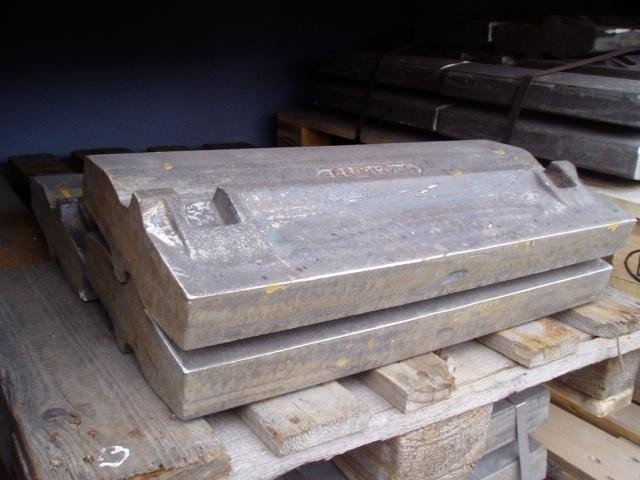
Two quotations for “blow bars” can cover different materials, different fitment assumptions and different delivery responsibilities. Comparing only the price per piece can therefore produce the wrong purchasing decision. First make the offers comparable; then assess the price and the evidence behind the supplier's recommendation.
This guide is a practical comparison framework for HSI impact crusher operators, importers and distributors. It applies whether the destination is the USA, Australia, UAE or another market. It does not prescribe a universal grade or promise a particular wear life: the right offer depends on your machine, feed and operating requirements.
1. Send every supplier the same technical brief
Start with one RFQ pack and give it a revision date. Include the crusher make and model, rotor or part reference, an approved drawing where available, quantity and destination. State whether photographs show a new part or a worn part. Ask suppliers to flag missing information rather than quietly fill gaps with assumptions.
- Describe the feed: rock, recycled concrete, asphalt or another material, with available information about abrasiveness and feed size.
- Explain known metal contamination and the plant's actual removal measures; do not describe a recycling feed as clean without evidence.
- Give the current blow bar material, observed wear or breakage, and the reason for seeking an alternative.
- State any machine configuration or fitment changes and the required purchasing/delivery window.
The HSI blow bar product page provides a starting point for grade and application discussions. Use the same brief for each supplier so a lower price does not simply reflect omitted requirements.
2. Replace vague material labels with an agreed specification
Terms such as “high chrome”, “low chrome” and “ceramic” do not, by themselves, define a complete purchasing specification. Ask the supplier to identify the material designation and relevant inspection requirements, then explain why it suits the stated feed. If an alternative is proposed, compare it separately instead of treating it as the same product at a different price.
The Terex EvoQuip wear-parts reference guide discusses metallurgy, blow bar applications and wear limits. It reinforces the need to evaluate application conditions rather than choose from a material label alone. Its machine-specific guidance is not a universal approval for another crusher or supplier's casting.
For additional background, read blow bar materials and grade selection. Ask for the scope of any chemical analysis, hardness checks or other tests you need. A test report should identify the supplied batch or parts it covers. Do not assume that a generic certificate proves conformity of your order.
3. Check exactly what fitment confirmation covers
Record the drawing number and revision beside each quote. A compatibility statement should identify the actual part and mounting arrangement being supplied. A familiar crusher model name is not a substitute for confirming the installed rotor and part geometry, particularly on machines with previous modifications.
- Geometry
- Drawing/revision, units, critical dimensions, mounting features and agreed tolerances.
- Configuration
- Number of bars or required set arrangement, part references and any machine-specific requirements.
- Approval
- Who approves the drawing, what information is still missing, and whether manufacture waits for approval.
- Inspection
- Dimensions reported, sampling scope, agreed tests and how results are linked to the supplied parts.
Have the plant's competent maintenance team review the technical scope. Installation, securing, balancing, turning and replacement limits must follow the crusher manufacturer's instructions. Do not approve an unsupported mounting modification to make a cheaper quotation fit.
4. Normalize price and delivery scope
Put the currency, quotation validity, quantity basis and payment terms beside the price. Confirm whether it is per bar, per set or by weight, and whether packing, inspection and documents are included. Record production lead time separately from transit and destination clearance time; a dispatch estimate is not the same as delivery to the plant.
For an international order, record the quoted Incoterms® rule, named place or port and edition, and identify exclusions. ICC explains that its Incoterms® rules clarify delivery tasks, costs and risks between sellers and buyers. Obtain destination-specific freight and import estimates from the appropriate provider; do not assume an overseas unit price includes local clearance or inland transport.
- Goods, packing and agreed inspection/document charges.
- Freight, insurance where applicable and destination charges within the stated scope.
- Applicable import duties/taxes and inland delivery, confirmed for your destination and transaction.
- Currency conversion basis and any separate bank or transaction costs used in your comparison.
Avoid double-counting a charge already included in the supplier's price. Mark unknown amounts as “not confirmed” rather than zero. For repeat import planning, see stock planning for imported wear parts and the first export order checklist.
5. Use a quotation comparison worksheet
Use one column per supplier and complete these rows before selecting an offer. A blank answer is a clarification request, not evidence that the requirement is included. Keep the supplier's written responses with the quotation so purchasing and maintenance work from the same scope.
- Part and drawing
- Part identity; drawing/revision accepted; unresolved fitment questions.
- Material and feed
- Actual proposed specification; application rationale; alternatives clearly separated.
- Evidence
- Inspection scope; batch/part traceability; reports supplied; any independently agreed checks.
- Commercial basis
- Quantity, unit/set basis, currency, payment terms and quotation validity.
- Delivery basis
- Production estimate, shipping scope, Incoterms® rule/place/edition and exclusions.
- Trial and resolution
- Trial scope, assessment records, conformity complaint process and agreed remedy.
Example: one offer may include packing and agreed inspection records while another lists them as extras. Neither is automatically better. Ask for the missing charges and align the scope before ranking the delivered cost. This is a comparison example, not a price indication or a claim about a named supplier.
6. Treat wear-life claims as questions to verify
Ask what feed, machine, settings, measurement method and removal criterion support a quoted wear-life claim. A result from a different application may not predict your plant's outcome. If the operating evidence is unavailable, evaluate a suitable first order with agreed records rather than build the purchase decision around a promised service interval.
Record processed tonnage where measured, operating hours, feed changes, stoppages and reasons for removal. Compare like operating conditions and make uncertainty visible. The blow bar wear-pattern guide can help organize observations; the cost-per-tonne guide explains how actual operating data can inform later purchases. Before a trial, equipment safety and OEM requirements take precedence over any comparison plan.
Blow bar RFQ template for overseas buyers
Please quote HSI blow bars for: machine/model [ ]; rotor/part reference [ ]; drawing/revision [ ]; feed/application and contamination [ ]; current material and issue [ ]; required quantity/set arrangement [ ]; inspection records [ ]; destination country and port/place [ ]; required delivery window [ ].
Please state the proposed material, drawing approval process, price basis, packing and document scope, production estimate, quoted delivery term with named place and edition, and any exclusions or information still required.
To compare an offer from Melco, send your blow bar RFQ with the same specification you provide to other suppliers. A clear enquiry allows fitment, material and export scope to be discussed before you commit to an order.